Over a year ago, the FBI issued a warning regarding a novel form of smishing (phishing via SMS) scam, specifically targeting individuals with fraudulent text messages demanding payment for toll fees.
In January 2025, the FTC released a similar alert, and by April, a resurgence of toll fee scams emerged, disrupting individuals nationwide.
Recently, the Departments of Motor Vehicles (DMVs) in New York, Florida, and California have cautioned residents against falling prey to these deceptive text messages, which falsely claim that individuals owe a “small amount” in toll fees and attempt to lure them into clicking malicious links.
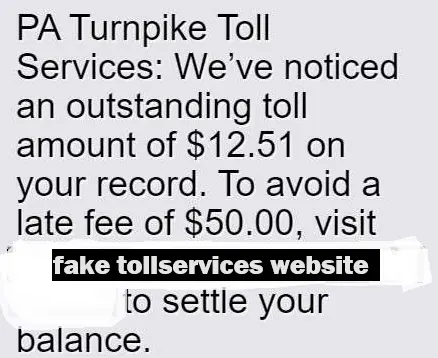
The prevalence of smishing messages has become a significant concern. Reports indicate that in April 2025 alone, Americans received approximately 19.2 billion automated spam texts, equating to roughly 63 spam texts per individual.
This criminal activity has proven lucrative for the perpetrators. According to the FTC’s 2024 Annual Data Book, 16% of reported fraud attempts were text-based, generating an estimated $470 million in illicit revenue.
Best Practices to Avoid Toll Fee Scams
- Verify the originating phone number of any text message. Many scams can be easily identified as they often come from international numbers.
- Investigate the website associated with the alleged toll fees by comparing the domain name to ensure its authenticity. Minor variations can be misleading, so thorough inspection is essential.
- If you choose to make a payment, ensure you receive confirmation of the transaction. Legitimate toll authorities will send a confirmation post payment collection. If confirmation is not received, independently contact the toll service to verify.
- Avoid any interaction with scammers. Responding—even to express disinterest—can provide them with valuable data, including the status of your phone number.
- If you believe the toll amount may be legitimate due to recent travel, check the official toll service’s website or contact their customer service for clarification.
- Consider utilizing security software such as Malwarebytes Mobile Security for both Android and iOS, which features a “Text Protection” capability. This safeguards users by alerting them to potentially fraudulent or phishing text messages, scanning for any suspicious content, including harmful links or dubious phrases.
- In the event you receive a suspicious message, report it to the FBI Internet Crime Complaint Center (IC3) at ic3.gov, providing the originating phone number and any website listed in the message.
We are committed to ensuring your mobile security and strive to prevent cybersecurity threats from escalating. Maintain the safety of your devices by utilizing our advanced protective software available for both iOS and Android platforms.